
Technical Data
- Bath Care & Maintenance
Bathtubs and Sinks
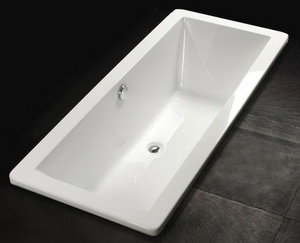
Bathtubs and sinks can be glazed or unglazed but it can be stained.Most stains are easily removed however.Use the treatments indicated for the following stains:
- Coffee Dampen a cloth with water, dip it in baking soda and scrub the mixture over the stain.
- Fruit Juice or Tea Wash with a solution of 1-tablespoon trisodium phosphate and 1 quart hot water.Rinse, then flood with a solution of 3 tablespoons laundry bleach in 1 quart of warm water.
- Grease Scrub using a stiff-bristled brush with a strong solution of heavy-duty household detergent or a solution of½cup trisodium phosphate and 1 gallon of very hot water.
- Hard Water Scum Scour the area thoroughly with a solution made of equal parts of vinegar and warm water using a nylon scouring pad.
- Mildew Sponge with solution of½cup laundry bleach in 1 quart water. For stubborn stains use a commercial mildew remover containing sodium hypochlorite and sodium carbonate.(Wear gloves and keep the room well ventilated). Alternatively, Mix a thick paste of household scouring powder and water.
- Oil Mix a thick paste of household scouring powder and water. Apply the paste to the stain and allow it to stand overnight.
- Paint Remove fresh oil-base paint with a cloth dipped in turpentine or paint thinner.Wash away the residue with a solution of¼cup trisodium phosphate mixed with 1 gallon of warm water. Remove fresh water-base paint with a cloth dampened with warm water and mild household detergent;such as dishwashing liquid. Scrub the area with a soft-bristled brush.
- Soap Scum Use baking soda in warm water. For heavy deposits use a solution of 1 tbsp of trisodium phosphate in 1 gallon of water.Rinse thoroughly. You may also use a solution of warm water and ammonia.
- Unknown stains Use mild solution of chlorine bleach.Do not use full strength or let it remain on the surface for more than a few seconds. You may also apply a stiff paste of whiting(calcium carbonate)and household ammonia;let it stand for one hour, then wash it off with soapy water.
Acrylic Showers, Whirlpool Bathtubs
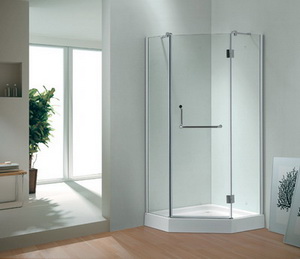
- Wipe out bath or shower after each use with soft cloth or squeegee.
- Use only a mild detergent(such as dishwashing soap). Do not use abrasive cleaners. Avoid detergents, disinfectants, or cleaning products in aerosol cans.
- Be sure to wipe off any cleaner spill, especially from bumpers and hinges of toilet seats.
- Restore the toilet seat's gloss and luster with an application of no-wax polish. Pine-based cleaners are not recommended.
- To restore dull or scratched units, apply white automotive polishing compound with a clean rag.
- Rub scratches and dull areas vigorously. Wipe off residue.
- Follow with a coat of white automotive paste wax. Do not wax areas where you walk or stand.
Whirlpool, Hot Tub System Cleaning
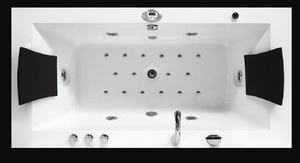
To prevent bacterial growth in Whirlpool and Hot Tub piping, clean the system at least twice a month, following this procedure:
- Adjust the jets so there is no air induction.
- Fill the unit with hot water to a level above the highest jets.
- (Caution: don't start the whirlpool without making sure there is water above the highest jets.Running a whirlpool without water will damage the pump seals causing the pump to fail or leak.)
- Add to the water two teaspoons of low-foaming dishwasher detergent such as Calgonite or Cascade(powder), and four ounces of household bleach, such as Clorox.
- Run the whirlpool for 10-15 minutes with the air control fully open for maximum turbulence.
- Drain, refill the tub with cold clear water to 2"-3"above the highest jets.
- Run the unit again for another 5-10 minutes to"rinse."Then, drain the tub completely.
- Wipe dry with a soft cloth.
- Normal household disinfectants and cleaners such as bleach, detergents, vinegar, or baking soda are NOT completely effective in removing whirlpool or hot tub contaminants.
Faucets
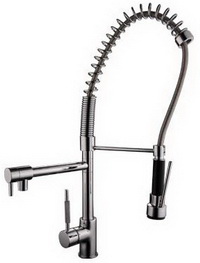
Clean with mild soap and water or a mild liquid detergent. Products such as home daily commodities are generally considered safe to use.
After every use or cleaning, it is always best to wipe dry with a soft cloth to prevent water spotting and mineral build-up. Faucet manufacturers recommend that you clean and wax regularly. You may use an aerosol furniture polish, appliance wax or auto paste wax for this purpose.
- Do not use cleaners containing ammonia, bleach, abrasives, or other strong chemicals, as these can damage some faucet finishes.
- Avoid products that state on the label that they remove tarnish and rust, and those containing hydrofluoric, hydrochloric and/or phosphoric acids or caustic agents.
- Avoid industrial cleaners and abrasive cleaners, such as those used for toilet bowls, heavy-duty scrub sponges or scouring pads.These will scratch and damage the finish.
 Facebook
 Twitter
 Google+
 Youtube
 Pinterest
 Houzz
Houzz